
You're going to sweat in both. That's where the similarities end.
Bootcamp and strength training are not interchangeable. They have different mechanisms, different adaptations, and they produce different bodies doing different things. Bootcamp gives you a heart rate spike, a group atmosphere, and a rotating menu of exercises that keeps things feeling fresh. Strength training gives you a barbell, a program, and progressive overload applied consistently over months and years. One is organized chaos. The other is calculated stress.
This distinction matters because most people pick a training style based on what's fun or convenient, then wonder why they're not getting the results they wanted. If you want to lose fat and build muscle that actually stays, you need to understand what each method does — and doesn't do — to your body. Pick the wrong tool and you'll work hard for mediocre results. That's a bad trade.
What Is Bootcamp vs Strength Training?
Two different tools. Both involve sweat. That's where the overlap ends.
Bootcamp is group fitness modeled loosely on military conditioning. You move fast, rest little, and rotate through exercises — burpees, jump squats, battle ropes, box jumps, whatever the coach programmed that day. Sessions typically run 45–60 minutes. The goal is general conditioning: burn calories, raise your heart rate, build some work capacity. It's broad by design.
Strength training is specific. You load a barbell, a dumbbell, or a cable stack, apply progressive overload over weeks and months, and force your muscles and connective tissue to adapt. The goal is measurable — add 5 pounds to your squat, hit a new deadlift PR, increase your bench press by 10% over 12 weeks. Progress is tracked. Variables are controlled.
The difference isn't effort. Both can crush you. The difference is intent and structure.
Bootcamp optimizes for intensity and variety. Strength training optimizes for progressive adaptation. One keeps you moving and breathing hard. The other builds a stronger version of you — incrementally, systematically, with a paper trail.
Context matters here. A 40-year-old who wants to lose 20 pounds and hates the gym might thrive in a bootcamp three days a week. A 35-year-old who wants to add muscle, protect his joints long-term, and actually get stronger needs a barbell program.
Neither is wrong. But they're not interchangeable, and confusing them costs you results.
Key Benefits of Bootcamp vs Strength Training
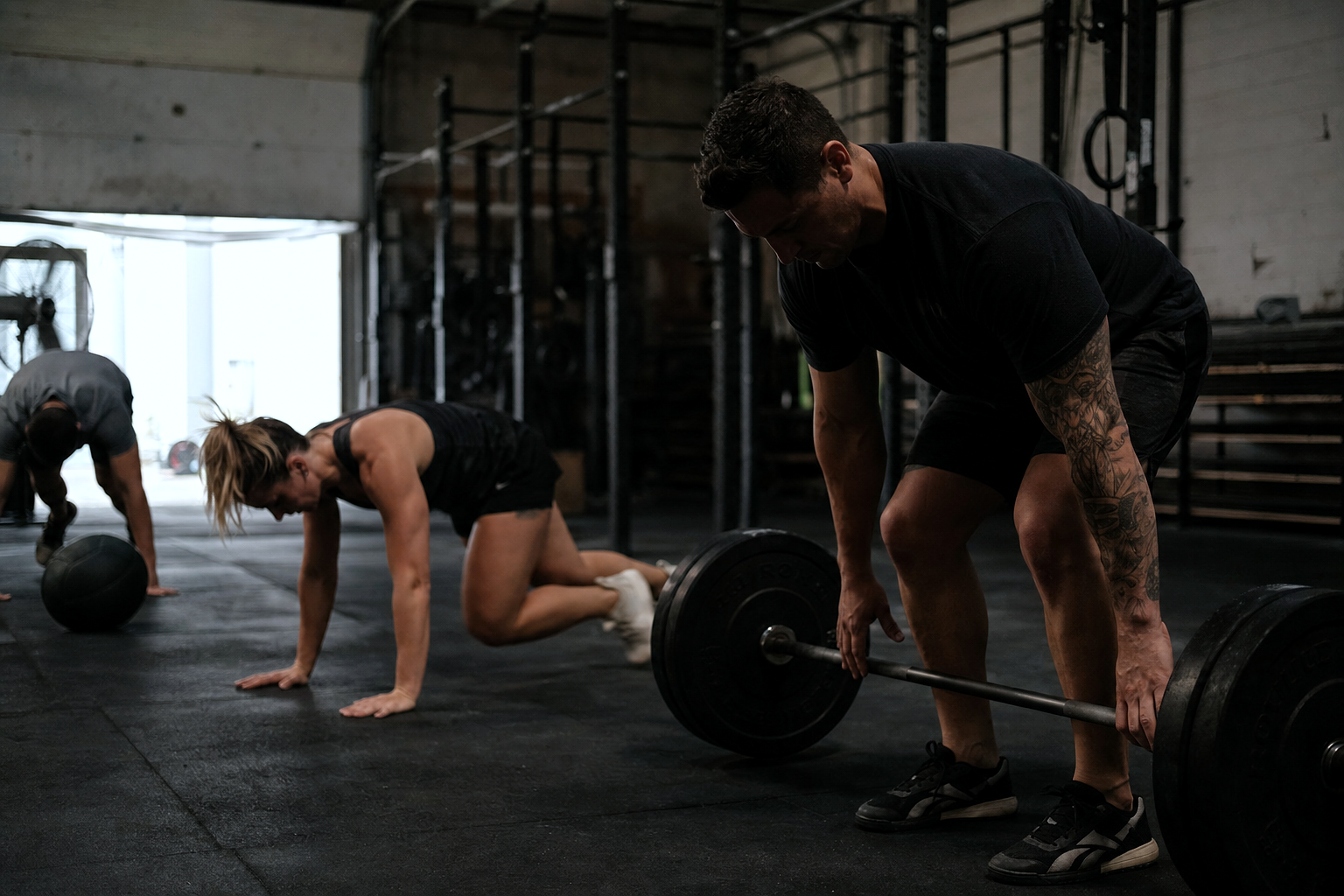
Both methods work. Neither is magic. The question is what you're actually trying to accomplish.
Bootcamp wins on efficiency and variety. A 45-minute class burns more total calories than most strength sessions because it keeps heart rate high throughout. If fat loss is the primary goal and you hate steady-state cardio, bootcamp gets you there faster. You're also getting cardiovascular conditioning, mobility work, and muscular endurance packed into a single session. For time-crunched people, that matters.
The group environment is a legitimate advantage too. Research consistently shows people work harder in group settings. You don't have to manufacture motivation — the class structure does it for you. Show up, keep pace, go home. There's real value in removing decision fatigue from training.
Strength training wins on almost everything else. Progressive overload is the only proven mechanism for building muscle, increasing bone density, and producing long-term metabolic change. Bootcamp doesn't deliver consistent progressive overload — by design. The workouts rotate, the loads stay moderate, the rep ranges scatter. That's fine for conditioning. It's inadequate for getting stronger.
Strength training also gives you measurable, trackable progress. You squatted 185 last month. You squatted 205 today. That's data. Bootcamp gives you sweat and soreness, which feel like progress but don't always represent it.
Here's the honest comparison: bootcamp is better for general fitness, adherence, and conditioning. Strength training is better for body composition, longevity, joint health, and raw physical capacity.
Most people need both. If you're only doing bootcamp, you're leaving strength on the table. If you're only lifting, your conditioning will eventually limit you. Pick based on your current deficit — then add the other when you're ready.
How Bootcamp vs Strength Training Works
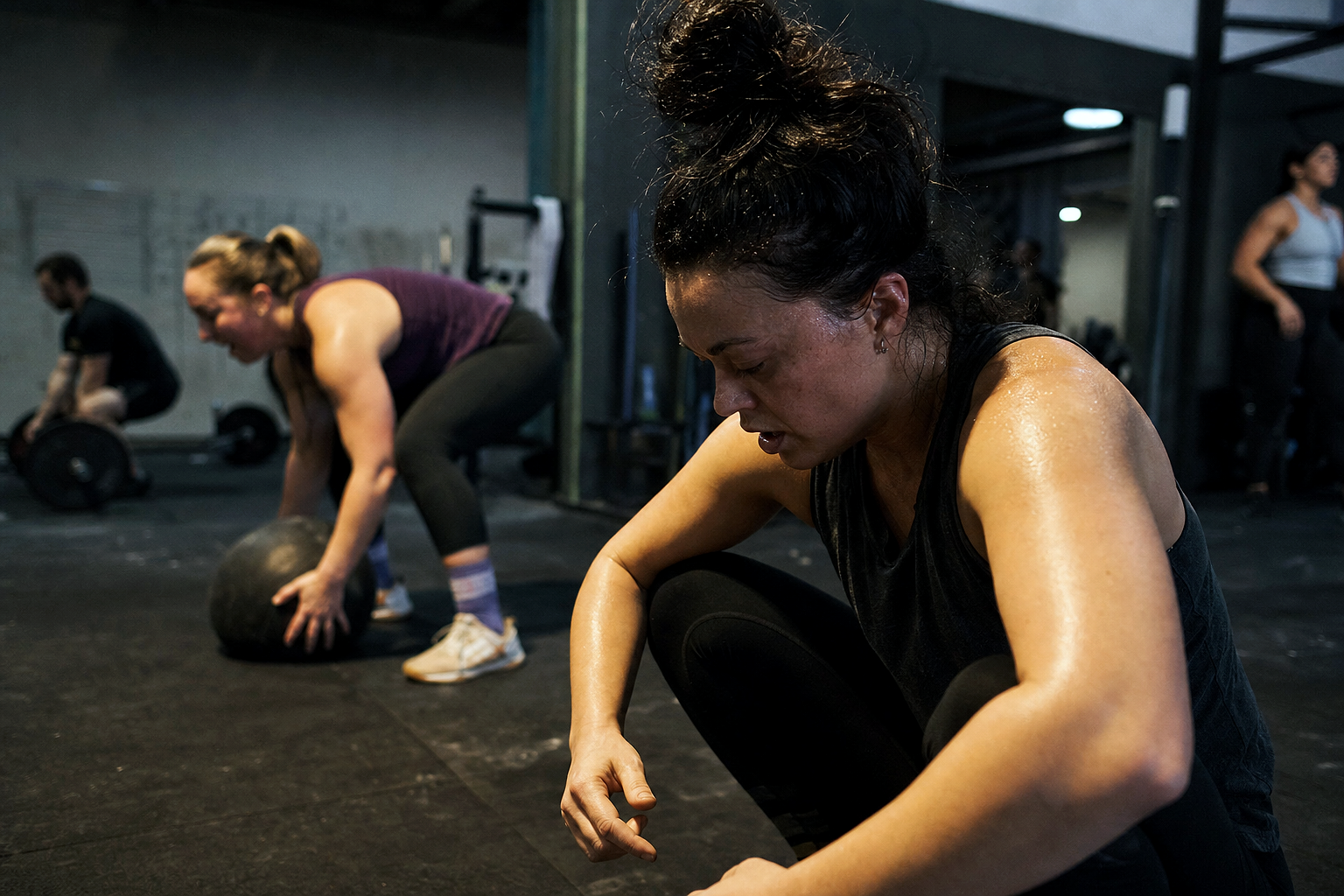
The mechanisms are different. Not slightly different — fundamentally different. Understanding why matters before you choose one.
Strength training works through progressive overload. You add weight to a barbell over time. Your nervous system recruits more motor units. Your muscles adapt structurally — thicker fibers, denser connective tissue, stronger tendons. The stimulus is specific and measurable. Week 1 you squat 135 lbs. Week 12 you squat 185 lbs. That's the entire game.
The process requires recovery. You stress the tissue, leave the gym, eat, sleep, come back stronger. The training session is the signal. Everything outside the gym is where adaptation actually happens.
Bootcamp works through metabolic stress and caloric expenditure. You do burpees, jumping jacks, kettlebell swings, box jumps — usually in circuits with minimal rest. Heart rate stays high. You sweat. You feel destroyed afterward. The mechanism here is cardiovascular conditioning and, primarily, energy expenditure during the session itself.
The problem is specificity. Bootcamp asks your body to be decent at everything simultaneously. That's not how strength is built. Constantly varied movements prevent the nervous system from learning any single pattern well enough to load it progressively.
Here's the practical difference: a strength program gives your body a repeatable problem to solve. Your body solves it by getting stronger. A bootcamp gives your body a different problem every session. Your body solves it by getting better at surviving chaos — which has real value, but isn't strength development.
Neither is fraudulent. Both produce results. But they produce *different* results through *different* mechanisms.
If you want to move more weight, strength training is the mechanism that delivers it. If you want conditioning and caloric burn in a group setting, bootcamp works for that. Pick based on the outcome you actually want.
Common Questions About Bootcamp vs Strength Training
Can I do both bootcamp and strength training?
Yes, but program them carefully. Put strength work first when both appear in the same week. Doing burpees until you can't walk, then expecting a productive squat session the next morning, is optimistic at best.
Which burns more calories?
Bootcamp wins the during-session number. Strength training wins the long game. More muscle mass means a higher resting metabolic rate, which means you're burning more calories at your desk on Tuesday doing nothing.
I'm over 40. Which is better?
Strength training. Full stop. Muscle loss accelerates after 40. The only proven intervention is progressive resistance training. Bootcamp can supplement, but it cannot replace what a barbell does for body composition and bone density at that age.
Will strength training make me bulky?
No. Getting significantly bigger requires years of deliberate effort, a caloric surplus, and often pharmaceutical assistance. You will not accidentally become a powerlifter.
Is bootcamp good for weight loss?
It can support a caloric deficit. But so can walking. The problem is bootcamp rarely teaches you anything transferable. You get tired, you sweat, the class ends. Strength training builds a skill set that compounds over time.
Which is better for beginners?
Strength training. Learning to squat, hinge, press, and pull gives you a physical foundation. Bootcamp throws random stimulus at someone who hasn't built that foundation yet. That's how people get hurt.
Conclusion
Bootcamp and strength training are not interchangeable. They solve different problems. Bootcamp builds conditioning, burns calories, and keeps things varied. Strength training builds muscle, increases force production, and creates measurable, lasting physical change.
If you're generally out of shape and need to move more, bootcamp gets you off the couch. That's legitimate. But if you want to be stronger in six months than you are today — actually, structurally stronger — you need a barbell and a program built around progressive overload.
Most people who think they need bootcamp actually need strength training. They've just been told cardio and sweat equal results.
Key takeaways:
- Bootcamp trains fitness. Strength training builds capacity.
- Soreness and sweat are not progress metrics.
- Progressive overload is the only reliable driver of long-term adaptation.
Next step: Pick a beginner strength program, run it for 12 weeks, and track your lifts. The numbers won't lie.
Learn more about Strength Programming.